Foam mattresses are crafted to deliver contouring comfort and consistent support across the sleeping surface, making them a staple in many bedrooms. They utilize viscoelastic or polyfoam layers to absorb movement, reduce pressure points, and promote spinal alignment. This category highlights materials, layer construction, and durability considerations essential for informed bedding decisions.
A key feature of foam mattresses is their ability to isolate motion, which can benefit couples sharing a bed by reducing partner disturbance. Memory foam formulations often respond to body heat and weight, gradually adapting to curves while maintaining a stable sleep surface. Understanding density, firmness profiles, and temperature regulation helps identify suitable options for varying sleep preferences.
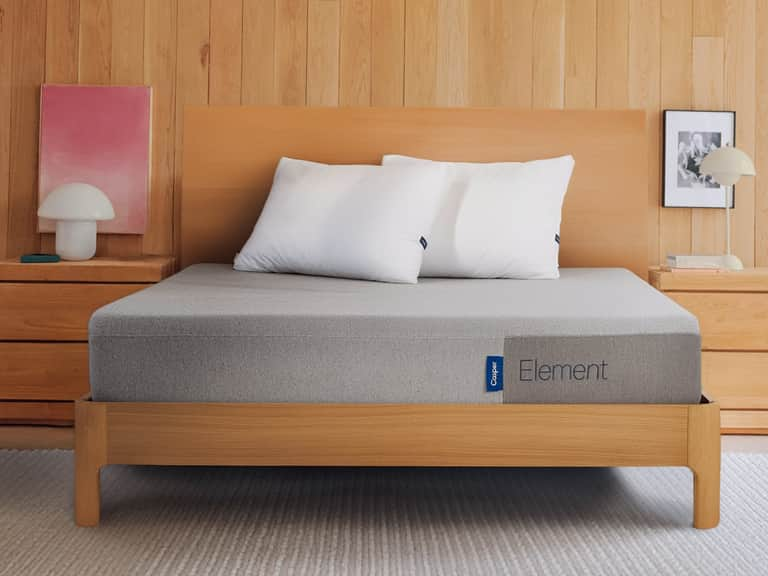
Within this category, the Element Mattress exemplifies foam-based design principles, combining transition foams for pressure relief with supportive base layers to sustain alignment. Functional benefits include even weight distribution, reduced tossing, and compatibility with adjustable foundations. Evaluating its layered construction clarifies how each component contributes to overall comfort.
Material considerations span polyurethane, memory foam, gel-infused foams, and plant-derived alternatives, each influencing breathability, odor control, and durability. Users should examine density ratings, resilience, and certification standards to assess long-term performance. Foam mattresses can also align with broader sleep ecosystems that include organic mattresses and latex options for varied preferences.
Beyond core comfort, foam mattress design intersects with health, sleep science, and climate impact. Proper support, edge stability, and surface temperature play roles in sleep quality and posture. This category emphasizes practical comparisons of firmness, cooling features, and lifecycle performance, guiding thoughtful selection of bedding essentials such as sheets, pillows, and accessories.
 Mattresses