A Guide to Organic Mattresses: What Westchester Sleepers Should Know
Explore the essentials of organic mattresses, including materials, certifications, and how to choose within a Westchester context. This guide helps local readers compare options from trusted brands and understand what makes an organic sleep surface truly healthier.
By way of proper sleep, Westchester homeowners discover that the bed is not merely furniture but a microclimate. The organic mattress, in particular, offers a curated blend of comfort, sustainability, and regional relevance—especially in a climate that swings between damp summers and dry winters. This guide travels through materials, certifications, and practical steps to evaluate options like Naturepedic and Healthy Choice, while anchoring the discussion in a local frame.
In this exploration, we meet voices from different eras who have shaped our understanding of comfort, materials, and quiet rooms: a nineteenth-century physician who championed restorative rest, a mid-century design thinker who reframed the bedroom as a sanctuary, and a contemporary sleep-science advocate who foregrounds environmental ethics and material transparency.
What makes a mattress 'organic' and why it matters
The term organic, when applied to mattresses, operates on several levels. At its core, it implies that the materials are grown or produced without synthetic pesticides, without genetically modified organisms, and with processes that minimize chemical residues. Yet the promise extends beyond farming practices. An organic mattress tends to emphasize clean air, low odor, and a softer relationship with the body’s physiology during sleep.
Key materials to look for include organic latex, organic cotton, and natural wool. Organic latex offers resilient support with a natural elasticity that responds to movement without the off-gassing often associated with synthetic foams. Organic cotton provides a breathable, hypoallergenic cover that reduces microclimate disturbances around the sleeper. Natural wool acts as a temperature moderator, wicking moisture in humid summers while trapping warmth in cooler months. When these elements come together, they create a sleep surface that aligns with environmental values and everyday health concerns.
Certifications function as a compass in this landscape. The most commonly cited marks include the Global Organic Textile Standard (GOTS), which covers organic fibers, and the Global Organic Latex Standard (GOLS), which covers latex layers. While not every responsible brand wears every certification, a mattress that carries GOTS or GOLS typically signals a rigorous standard for material purity and processing. For Westchester sleepers, the practical implications are tangible: fewer chemical exposures in bedrooms, improved indoor air quality, and a sleep surface that harmonizes with a household aiming for sustainable living.
Materials you’ll encounter and how they feel
Organic latex is a favorite for many sleepers who prize a buoyant yet supportive feel. It tends to offer more bounce than memory foam, with a responsive surface that keeps the spine aligned across different sleeping positions. Talalay and Dunlop processes create subtly different textures: Talalay latex often feels softer and lighter, while Dunlop can feel denser and more substantial. A mattress that layers both can deliver a customized balance of contour and support—an approach that brands like Savvy Rest have popularized with their layer-exchange programs.
Natural wool is not merely a comfort layer; it is a performance layer. It modulates temperature—breathable in summer, insulating in winter—while also acting as a natural flame barrier when used in conjunction with organic cotton covers. Wool’s moisture-management properties are especially valuable in Westchester homes where humidity can shift with seasons, influencing everything from mattress longevity to perceived freshness.
Organic cotton, as a top cover and baking into core layers, offers a soft hand and a breathable board that helps minimize heat retention. A well-chosen organic cotton cover can combine with wool and latex to create a sleep surface that remains comfortable across a wide range of room temperatures.
Certifications and credible brands to watch in Westchester
When you narrow your search to organic mattresses, you begin to recognize brands that foreground transparency, ethical sourcing, and rigorous testing. In a region like Westchester, with its varied homes—from urban condo towers to leafy, spread-out residences—the right mattress becomes a partner in daily life, not just a purchase.
Notable brand references in the organic space include Naturepedic and Healthy Choice (among others). Naturepedic has earned recognition for its commitment to non-toxic materials and clear packaging of what lies inside the mattress. Healthy Choice, a brand less widely known in national advertising but respected for its clean formulations, often threads organic components with thoughtful design considerations.
For readers in Westchester who want to couple local sensibility with organic rigor, the combination of a reputable brand name, transparent material lists, and recognized certifications offers a trustworthy path. It is a path that leads not only to healthier sleep but to greater confidence in the bedroom’s environmental footprint.
How to evaluate an organic mattress: a practical buying guide
A strong starting point is to define your sleep position and firmness preference. Side sleepers often benefit from a slightly softer surface to cushion shoulders and hips, while back and stomach sleepers typically require more uniform support to maintain spinal alignment. In organic mattresses, you’ll encounter a spectrum of materials and constructions designed to address these needs without compromising purity.
- Loft and feel: Check the mattress’s total height and the layers beneath. A Unity Pillowtop-like construction, which combines a plush top with layered latex, can deliver a generous surface while retaining solid foundational support. For those who favor a more minimal profile, look for deeper cellular cores of latex in combination with wool and cotton covers.
- Firmness labeling: Remember that “firm” can feel quite different depending on the materials. Latex tends to feel more immediately supportive, while wool and cotton layers influence airiness and perceived softness. If possible, test a few setups in-store or examine a trial policy that allows layer exchanges or adjustments.
- Certifications: Prioritize GOTS and GOLS where possible, but also review third-party testing results, such as emissions or durability assessments. Certifications matter not just for product integrity but for peace of mind in daily living.
- Maintenance: Organic mattresses can require thoughtful care. Expect to rotate the mattress periodically and to spot-clean certain components. Wool layers, for instance, may require occasional air-out sessions to maintain breathability.
- Environmental footprint: Consider the brand’s supply chain and packaging. Local Westchester households often appreciate brands that minimize long-distance shipping or that use recyclable or compostable packaging materials.
A brief stroll through time: voices from different eras on sleep and comfort
To weave a narrative about organic mattresses is to draw on voices from distinct times, each offering a lens on what constitutes a good night’s rest.
"Rest is not a luxury but a daily instrument for health."
This early voice helps frame the organic mattress question as one of ongoing health stewardship. If the body requires recovery to function, selecting non-toxic materials becomes not only a matter of comfort but of long-term well-being for the patient-sleeper in a modern Westchester home.
"The bedroom is a sanctuary; design it as you would a library—quiet, orderly, and resonant with intention."
This century’s sensibility invites a curated, design-forward approach to an organic mattress. It isn’t only about the core materials but how the mattress integrates with a room—soft lighting, natural textures, and a climate that supports restorative cycles.
"Transparency in materials empowers consumers to make choices aligned with health and the environment."
Today’s conversation about organic mattresses is inseparable from scientific scrutiny and supply-chain ethics. The modern consumer looks for third-party certifications, clean air in the bedroom, and a product narrative that respects both personal health and planetary health.
"A good night’s sleep is a public health priority; a better mattress is a public good."
These voices converge around organic mattresses as a practical choice with broad cultural resonance: comfort, transparency, and environmental stewardship aligned with Westchester living.
Product spotlight: Savvy Rest Unity Pillowtop Latex Mattress
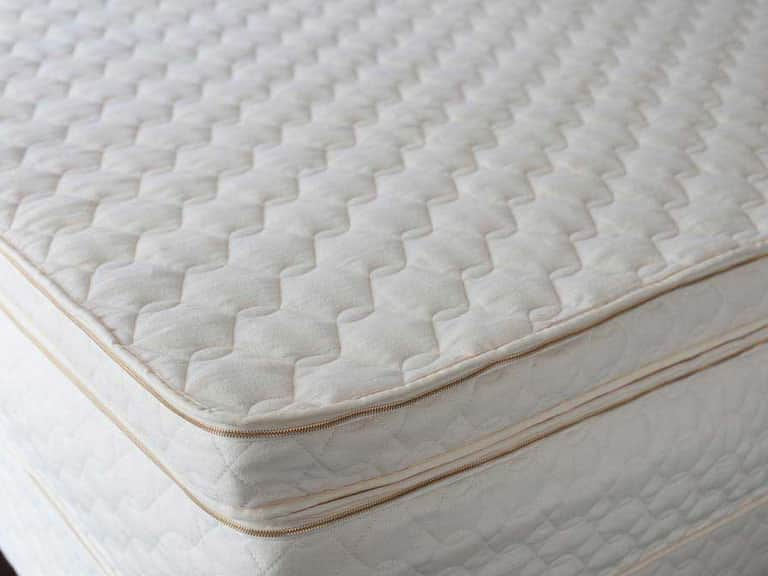
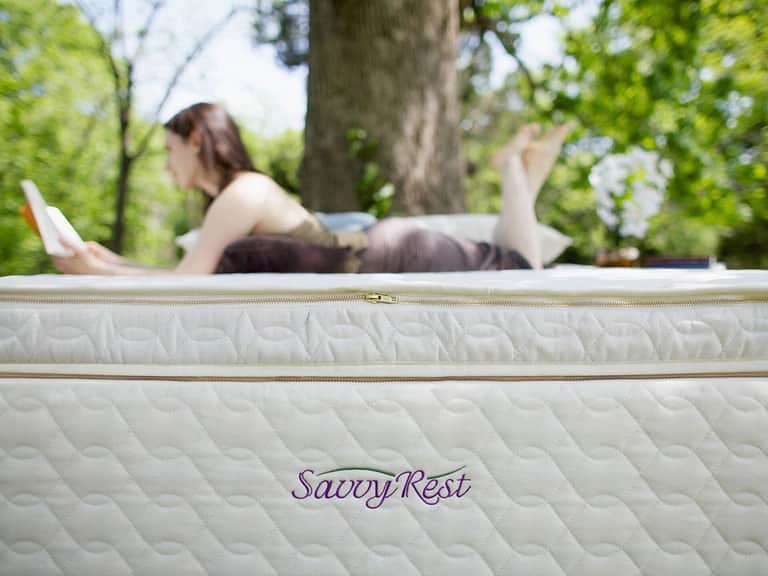
The Unity Pillowtop from Savvy Rest represents a thoughtful culmination of layered latex, organic wool, and cotton, designed for sleepers who prize pressure relief and a plush surface. This mattress blends a four-layer architecture with a pillowtop that adds a soft, luxurious surface while preserving the constructive integrity of the latex payload beneath. The result is a bed that accommodates side sleepers especially, offering a forgiving top surface with durable core support.
Key features include:
- Multiple layer options (firm, medium, soft) to tailor support.
- 100% certified organic cotton outer casing and organic wool for flame resistance and comfort.
- 20-year warranty with a layer-exchange policy for customization after purchase.
Price: 3149.00 USD. Dimensions vary by configuration, with standard Queen at a customizable 13-inch height depending on layer setup. The Unity Pillowtop is a flagship example of how organic materials can converge into a high-end, customizable sleep experience.
Product gallery (selected visuals):


Note: Imagery used is representative of the Unity Pillowtop line and may vary by configuration. Always verify with the retailer for exact looks and sizes.
Local resources and how to engage with Westchester sleep health
Beyond the mattress, consider your sleep environment: air quality, humidity control, and temperature regulation. Local clinics and sleep studies can provide diagnostic insight if sleep disruptions persist. Westchester’s varied urban-suburban fabric means residents might live in apartment settings or single-family homes with different HVAC challenges. In each case, a mattress that minimizes chemical exposure and promotes thermal comfort becomes an essential component of a comprehensive sleep plan.
To support readers who want to learn more, this guide points toward regional resources and reputable brands with transparent practices. It also invites readers to participate in discussions about sleep health, contributing to a local culture that prizes restful nights and healthier bedrooms.
Tools, checklists, and how to proceed
Before you shop, download a simple, local sleep-environment audit. For example, a checklist might include questions about room temperature, humidity, light exposure, and fabric choices for bedding. A well-considered audit aligns with the organic philosophy: fewer chemical exposures, greater comfort, and a sustainable approach to rest. The guide can host downloadable PDFs and simple worksheets that readers can print or fill out online.
If you’d like, you can also contribute to the ongoing development of this resource by suggesting topics, sharing local resources, or providing feedback about your experiences with organic mattresses in Westchester. A community-driven approach makes the site more valuable as a regional touchstone for sleep health.
About this guide and how to connect
This article is part of a broader Westchester sleep health initiative—an educational resource designed to inform, not to solicit. It emphasizes evidence-based information, local context, and transparent discussion of materials. If you have topics you’d like covered—whether it’s a deeper dive into GOTS vs. GOLS certifications, or a feature on a Westchester interior designer who specializes in sleep-friendly rooms—your ideas are welcome.
Contact options and contributor guidelines are available through the site’s dedicated page, ensuring readers can participate in shaping this educational resource while maintaining the integrity of content focused on health, science, and local relevance.